



Table of Content
How to Pack for a Long Trip: Smart Packing Guide

Packing for a long trip is not about bringing a different outfit for every day. A better approach is to build a system: repeatable clothing, planned laundry, organized toiletries, easy-access documents, and luggage that fits the length and pace of the trip. This guide explains how to decide what to bring, how to pack lighter, and how to keep your luggage organized on longer travel.
Start With a Long Trip Packing Plan
Before making a long trip packing list, look at the trip as a whole. The right amount of luggage depends on how long you will be away, how often you can wash clothes, where you are going, and how often you will move between places.
Check these details first:
- Trip length: A two-week trip needs a different plan from a month away.
- Laundry access: Laundry lets you pack 7–10 days of clothing and repeat outfits.
- Weather and climate changes: Multiple climates may require layers instead of one bulky item.
- Activities and dress codes: City days, outdoor activities, dinners, and formal events need different clothing.
- Transportation and baggage limits: Flights, trains, buses, and rental cars affect what you can carry.
- Hotel or city changes: Frequent moves call for lighter luggage and easier organization.
Once these points are clear, you can pack for real needs instead of adding extra items for every possible situation. If your route includes flights, measure your luggage correctly before departure and compare the full exterior dimensions with the baggage limits for each airline on your itinerary.
Long Trip Packing List at a Glance
Use this quick list as a starting point. Keep it simple here, then adjust the details based on your route, climate, and activities.
|
Category |
What to Pack |
|
Clothing |
Mix-and-match tops, bottoms, layers, underwear, socks, sleepwear |
|
Shoes |
One main walking pair, one optional dress or activity pair |
|
Toiletries |
Travel-size toiletries, skincare, toothbrush, grooming items |
|
Laundry |
Laundry bag, detergent sheets, stain remover, quick-dry items |
|
Tech |
Phone, charger, adapter, power bank, headphones, laptop if needed |
|
Documents |
Passport, ID, visa documents, cards, bookings, copies |
|
Health items |
Medication, glasses, contacts, first-aid basics |
|
Comfort |
Light scarf, eye mask, earplugs, reusable bottle |
|
Organization |
Packing cubes, toiletry pouch, cable pouch, shoe bag |
This checklist covers the main categories, but the key to long trip packing is not adding more. It is choosing items that can be reused, washed, layered, and organized easily.
Build a Long Trip Capsule Wardrobe
For trips longer than two weeks, packing one outfit per day usually creates an overfilled suitcase. A capsule wardrobe helps you bring fewer pieces while still having enough combinations.
Pack Outfits You Can Repeat and Recombine
Aim for 7–10 days of clothing that can be worn in different combinations. Choose tops and bottoms that work together, and avoid pieces that only match one outfit. A simple color palette makes this easier and reduces the need for extra shoes or accessories.
Choose Layers Instead of Bulky Single-Use Pieces
Layers are more useful than one heavy item in many long trip situations. A light jacket, sweater, base layer, or packable rain shell can adapt to changing weather without taking over the suitcase. This is especially helpful if your trip moves between cities, coastlines, mountains, or different seasons.
Limit Shoes to the Pairs You Will Actually Wear
Shoes take up space quickly. For most long trips, wear your main walking shoes and pack one additional pair for dinners, business settings, beach use, or a specific activity. Avoid shoes that only match one outfit or one unlikely plan.
Plan Laundry Before You Run Out of Clothes
Laundry is what makes lighter long trip packing realistic. Check whether your hotel, rental, cruise, or neighborhood has laundry access. Bring a laundry bag, detergent sheets, and quick-dry items so you can refresh clothing before you run out.

Choose the Right Luggage Setup for a Long Trip
Long trips do not always require the largest suitcase. The best setup depends on how much you move, what climates you visit, and whether you need extra room for shoes, layers, or return-trip items.
Carry-On Only for Light and Mobile Trips
Carry-on luggage only works well if you are moving between cities often, using trains or budget flights, or staying in places with laundry access. It keeps travel days faster and reduces baggage claim delays, but it requires stricter clothing and shoe choices.
Checked Luggage for Longer Trips or Multiple Climates
Checked luggage makes more sense when the trip is longer, the climate changes, or you need more room for layers, shoes, toiletries, and return-trip items. It is also easier when you will stay longer in each place instead of changing hotels every few days.
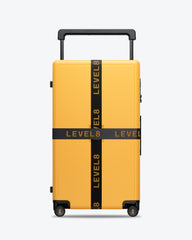
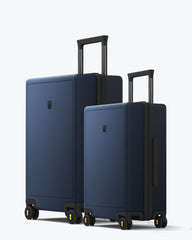
The LEVEL8 Voyageur Check-In 28'' fits this kind of long trip well. Its 99L capacity gives enough room for multiple outfits, shoes, outer layers, toiletries, and laundry items, while the wide handle design creates a flatter packing area for larger clothing stacks. The compression system helps keep packed items more secure, and the dry-wet separation pocket is useful for toiletries, damp items, or worn clothes. It is a practical choice when you want more capacity without jumping to an oversized suitcase.
Personal Item or Small Bag for Travel-Day Essentials
Even with checked luggage, keep essentials in a personal item or small bag. This should include passport, ID, wallet, medication, phone, charger, glasses, headphones, and one basic change of clothes. If your checked bag is delayed, you can still get through the first day.
How to Organize Your Luggage for a Long Trip
Long trip packing works best when every section of your luggage has a purpose. To pack a suitcase efficiently, give clothing, toiletries, shoes, laundry, and smaller essentials their own sections. The less you mix categories, the easier it is to repack, find items, and keep clean things separate from used items.
Keep Travel-Day Essentials in a Personal Bag
Your personal bag should hold anything you need during flights, trains, buses, hotel check-in, or the first few hours after arrival. Keep documents, medication, valuables, chargers, and comfort items close instead of placing them in checked luggage.
Pack Toiletries, Tech, and Documents in Separate Pouches
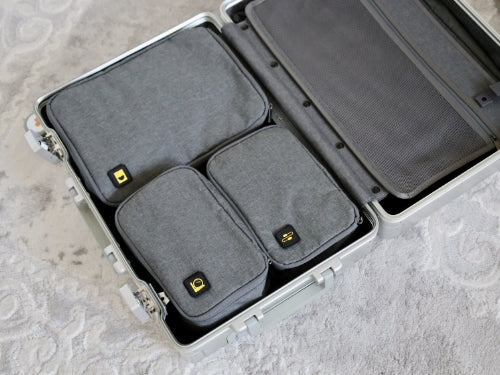
Use separate pouches for toiletries, cables, adapters, documents, and small personal items. This prevents leaks, tangled cords, and missing documents. It also makes airport screening and hotel unpacking easier.
Separate Clean Clothes, Laundry, Shoes, and Wet Items
Use packing cubes, shoe bags, laundry pouches, or suitcase compartments to keep categories apart. Clean clothes should not mix with shoes, damp swimwear, or worn items. This matters more on long trips because your bag will be opened and repacked many times.
Keep First-Night Items Near the Top
Place sleepwear, a clean shirt, toiletries, and basic medication near the top of your suitcase. After a long travel day, you should not need to unpack the entire bag just to get ready for bed.
Leave Space for Return-Trip Items
Leave some room for souvenirs, shopping, gifts, laundry, or items that are harder to fold neatly on the way home. A suitcase that barely closes on day one will be frustrating for the rest of the trip.

What Should You Leave Out on a Long Trip?
Long trips often tempt travelers to pack too much. A better rule is to remove anything that does not match your actual route, weather, activities, or laundry plan.
Consider leaving out:
- A different outfit for every day
- Shoes you may only wear once
- Full-size toiletries you can refill later
- Bulky clothing that does not layer well
- Extra gadgets, accessories, or backup items with no clear use
If an item is heavy, hard to match, hard to wash, or useful only in a rare situation, it is usually better left behind.
Conclusion
Long trip packing works best when you build a system instead of adding more items. Pack repeatable outfits, plan laundry early, limit shoes and bulky layers, keep documents and medication close, and separate clean clothes from laundry and wet items. Choose carry-on only if you need mobility, or checked luggage if the trip is longer, slower, or spread across different climates. The easier your bag is to organize and repack, the smoother the trip will feel from the first stop to the last.
FAQ
How many clothes should you pack for a long trip?
For most long trips, pack about 7–10 days of clothing and plan laundry. You do not need one outfit for every day if your clothes can mix, match, and repeat.
Can you pack for a long trip in a carry-on?
Yes, if you pack light, limit shoes, choose versatile clothing, and have laundry access. Carry-on only works best for mobile trips, mild weather, and travelers who do not need bulky items.
How do you pack for two weeks without overpacking?
Pack one week of repeatable outfits, add one or two layers, limit shoes, use travel-size toiletries, and plan laundry around the middle of the trip. Avoid packing for unlikely situations.
What should go in your personal item for a long trip?
Your personal item should include passport, ID, wallet, medication, phone, charger, headphones, glasses, travel documents, valuables, and one basic change of clothes if you are checking luggage.
How do you keep luggage organized during a long trip?
Use packing cubes, toiletry pouches, cable pouches, shoe bags, and a laundry bag. Keep first-night items near the top and separate clean clothes, wet items, shoes, and worn clothing.

Leave a comment