



Table of Content
Polypropylene vs Polycarbonate: Which Is Better for Luggage?

When comparing polypropylene vs polycarbonate luggage, travelers usually want to know which material is lighter, stronger, and better for long term travel. Polypropylene luggage is lighter and more affordable, while polycarbonate luggage is typically stronger and more durable. Each material suits different travel needs.
Why Material Matters When Choosing Luggage?
The material used in hard shell luggage directly affects durability, weight, and overall travel performance. A strong suitcase shell helps protect belongings from impacts, pressure, and rough baggage handling during flights.
Material also influences how heavy the suitcase is and how well it resists scratches or structural wear over time. Because of these differences, understanding luggage materials can help travelers choose a suitcase that fits their travel style and trip frequency.
What Is Polypropylene Luggage?
Polypropylene (PP) is a lightweight plastic commonly used in hard-shell luggage. It is known for its flexibility, impact absorption, and relatively affordable price.
Because the material can bend slightly under pressure, polypropylene luggage often performs well in everyday travel while keeping the suitcase's weight low.
What Is Polycarbonate Luggage?
Polycarbonate (PC) is a stronger and more durable material widely used in premium hard-shell luggage. It offers excellent impact resistance and structural stability, helping protect luggage during frequent flights.
Compared with polypropylene, polycarbonate typically provides greater durability and long term performance, which is why it is often used in higher-end suitcases.
Polycarbonate vs Polypropylene Luggage: Key Differences
Although both materials are used in hard shell suitcases, their performance varies across several practical categories.
Weight
One of the most noticeable differences between polypropylene and polycarbonate luggage is weight.
Polypropylene is generally lighter, making it attractive for travelers who want to maximize packing capacity while staying within airline weight limits. Lightweight luggage is especially useful for short trips and for travelers who need the best lightweight luggage for international travel.
Polycarbonate is slightly heavier but offers greater structural strength, which many travelers prefer for larger checked luggage.
Impact Resistance
Impact resistance is a critical factor for luggage that will be checked during flights. Suitcases are often stacked, dropped, or compressed during baggage handling, so the shell material must be able to absorb shocks without cracking.
Between the two materials, polycarbonate generally offers stronger impact resistance. Its structure allows the shell to flex under pressure and then return to its original shape, which helps reduce the risk of damage during repeated travel.
For example, the Adventure Check-In 24''/28'' uses German-made Makrolon polycarbonate, a material widely known for its strength and flexibility. The 24-inch model offers 74 L of capacity (expandable to 81 L) and weighs 11.5 lbs, while the 28-inch version provides 96 L (expandable to 105 L) and weighs 13.9 lbs. Reinforced construction and aluminum corner protectors further enhance protection against impacts during airport handling.
For travelers who frequently check large suitcases, polycarbonate luggage often provides more reliable protection for packed items.

Flexibility and Shape Stability
Polypropylene is more flexible than polycarbonate. This flexibility allows the shell to bend slightly under pressure, which helps absorb shock.
Polycarbonate, on the other hand, offers a balanced combination of flexibility and structural rigidity. It can flex under impact but generally maintains stronger shape stability.
This makes polycarbonate suitable for larger suitcases that must withstand heavy packing loads.
Scratch Resistance
Hard shell luggage naturally develops scratches over time, especially when handled in airports.
Polycarbonate shells often use textured finishes that help reduce visible scratches. Polypropylene can also resist minor scratches, but glossy finishes may show wear more easily.
In practice, surface finish plays a larger role than the material itself when it comes to visible scuff marks.
Temperature Resistance
Travel conditions vary widely, from hot airport runways to cold cargo holds.
Polycarbonate generally performs well across a wide temperature range, maintaining strength in both hot and cold environments.
Polypropylene also handles temperature changes effectively, though extreme heat can soften the material slightly over long periods.
For most travelers, both materials provide sufficient temperature resistance during normal travel.
Price Range
Price is another noticeable difference between the two materials.
Polypropylene luggage is usually more affordable, making it a popular option for casual travelers or those buying luggage for occasional trips.
Polycarbonate luggage often sits in a higher price range due to its stronger structural performance and premium appearance.
Travelers who fly frequently often view polycarbonate luggage as a long term investment.
Long-Term Durability
In terms of long term durability, polycarbonate generally offers better resistance to repeated impacts and structural stress.
Polypropylene remains durable for normal travel but may gradually show signs of wear with very frequent use.
For travelers who fly multiple times a year, polycarbonate luggage typically provides longer lasting performance.
Comparison Table
The key differences between polypropylene vs polycarbonate luggage come down to weight, durability, and price. The table below provides a quick comparison of how the two materials perform across the most important luggage features.
Quick comparison of polypropylene vs polycarbonate luggage:
|
Feature |
Polypropylene Luggage |
Polycarbonate Luggage |
|
Weight |
Very lightweight, ideal for travelers who want to minimize luggage weight |
Slightly heavier but still relatively lightweight for durable hard-shell luggage |
|
Impact Resistance |
Good shock absorption due to flexible material |
Excellent impact resistance and better protection against heavy baggage handling |
|
Flexibility |
Highly flexible, allowing the shell to bend under pressure |
Balanced flexibility and rigidity, maintains structural shape better |
|
Scratch Resistance |
Moderate scratch resistance; glossy finishes may show marks |
Often better scratch resistance, especially with textured finishes |
|
Temperature Resistance |
Performs well in normal travel temperatures but may soften under extreme heat |
Strong resistance across a wider temperature range |
|
Price Range |
Usually more affordable and budget friendly |
Typically more expensive due to stronger material performance |
|
Long-Term Durability |
Durable for occasional or moderate travel |
More durable for frequent travel and heavy use |
Overall, polypropylene luggage is lighter and more budget friendly, while polycarbonate luggage offers stronger durability and impact resistance. The right choice depends on whether you prioritize lightweight travel or long term strength.
How to Choose Between Polycarbonate and Polypropylene Luggage
When deciding between polypropylene vs polycarbonate luggage, the best choice depends on how often you travel and what features matter most. Some travelers prioritize lightweight carry-on convenience when choosing the best carry-on luggage, while others prefer stronger durability for frequent flights or checked baggage.
For Frequent International Travelers
Frequent travelers often need luggage that can handle repeated flights and constant airport handling. In these situations, polycarbonate luggage is usually the more reliable choice because it offers stronger impact resistance and long term durability.
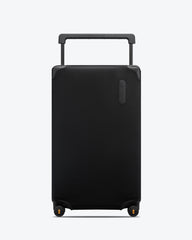
For example, the Voyageur Carry-On 20'' uses German-made Makrolon polycarbonate, combining durability with a manageable weight of about 8.6 lbs. Its wide handle design creates a flatter packing base, while 360° quiet spinner wheels allow smooth movement through busy airports. Features such as a built-in TSA lock, compression system, and dry-wet pocket also help frequent flyers stay organized during travel.
For travelers who fly regularly, a durable polycarbonate carry-on often provides a better balance of protection, mobility, and packing efficiency.

For Budget-Conscious Travelers
Travelers looking for a more affordable suitcase may prefer polypropylene luggage. It offers good impact resistance and lightweight construction at a lower price point.
For occasional trips or short vacations, polypropylene luggage can provide reliable performance without requiring a larger investment.
For Lightweight Carry-On Users
If minimizing luggage weight is the top priority, polypropylene luggage can be a practical option. Its lightweight construction helps travelers stay within airline carry-on limits while leaving more room for personal items.
For short trips and weekend travel, this balance of light weight and flexibility can make packing easier.
For Premium Durability Seekers
Travelers who prioritize long term durability often choose polycarbonate luggage. Its stronger shell structure helps withstand repeated impacts, making it well suited for frequent travel and larger checked suitcases.
Although polycarbonate luggage typically costs more, many travelers find the added durability worthwhile for long term use.
Conclusion
Both materials are commonly used in modern hard-shell luggage, but many travelers ultimately prefer polycarbonate for its balance of durability and reliability. Whether for carry-on or checked luggage, polycarbonate tends to handle frequent travel and airport handling more effectively. Polypropylene can still be a practical option for lightweight travel, but polycarbonate is often the preferred choice for long term use.
FAQ
Is polypropylene luggage waterproof?
Polypropylene is naturally water-resistant and does not absorb moisture. However, the overall water protection of a suitcase also depends on features such as zippers and seals.
Does polycarbonate luggage crack easily?
High quality polycarbonate luggage is designed to flex under pressure rather than crack. Premium polycarbonate shells can absorb impacts and return to their original shape after stress.
How long does hard-shell luggage typically last?
A well-built hard shell suitcase can typically last five to ten years or longer, depending on travel frequency and how the luggage is handled during trips.
Is polypropylene more environmentally friendly than polycarbonate?
Polypropylene is generally easier to recycle and requires less material by weight. However, overall sustainability also depends on how long the luggage lasts before replacement.

Leave a comment