



Table of Content
Train Luggage Guide: What to Pack and How to Choose the Right Bag

Train travel is usually more flexible than flying, but luggage still matters. You may need to lift your own bag, move through crowded stations, store luggage in a rack, and keep valuables close during the ride. This train luggage guide explains how much you can bring, what type of bag works best, and how to pack for day trips, overnight trains, and longer rail travel.
Train Luggage Rules: How Much Can You Bring?
Train luggage rules depend on the rail company, route, ticket type, and whether checked baggage service is available. Some trains allow generous carry-on luggage, while others have tighter space because of smaller cars, reserved seating, or commuter-style layouts.
In the U.S., Amtrak generally allows one personal item and two carry-on items per passenger, with size and weight limits. However, route details and special services can vary, so it is still important to check your exact train before you pack.
For most train trips, follow these practical rules:
- Bring only what you can lift and move yourself.
- Use luggage that fits overhead racks, luggage towers, or storage areas.
- Keep valuables in a smaller bag near your seat.
- Avoid blocking aisles, doors, vestibules, or empty seats.
- Add a luggage tag with your name and contact information.
- Check whether checked baggage is available before bringing a large suitcase.
The biggest difference from air travel is that train staff may not handle every bag for you. For this reason, carry-on luggage is often easier to manage than a large suitcase when you need to lift your own bag, change trains, or move through a crowded station. Even if the allowance is generous, your bag should still be manageable.
What Type of Luggage Is Best for Train Travel?
The best luggage for train travel depends on trip length, station layout, and how often you need to move between trains, hotels, or city streets.
Carry-On Suitcase for Stations, Hotels, and City Travel
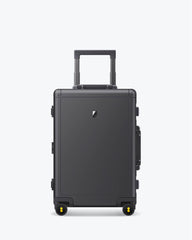
A carry-on suitcase works well for train travel when your route includes stations, hotels, paved streets, and city transfers. It gives you more structure than a duffel and is easier to organize than a backpack if you are carrying outfits, toiletries, shoes, or work items.
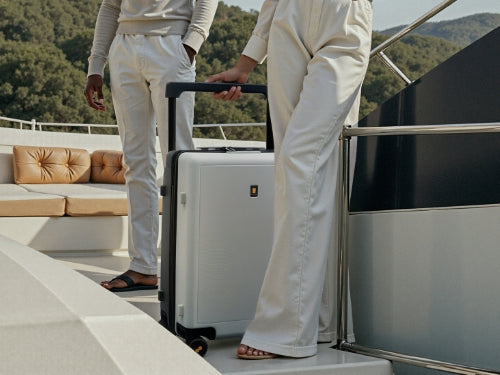
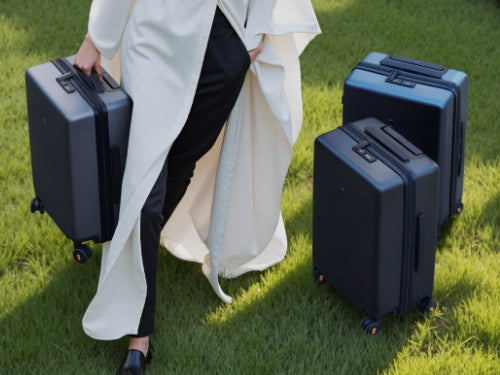
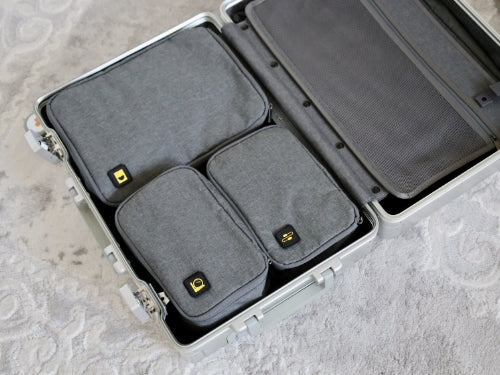
The LEVEL8 Voyageur Carry-On 20'' fits this kind of trip well because its 43L interior gives enough room for a few days of clothing and essentials, while the wide-handle packing space and compression system help keep items organized. Its dry-wet pocket can separate toiletries, damp items, or worn clothes, and the 360° spinner wheels make it easier to move through train stations, hotel lobbies, and sidewalks. For train travel, the benefit is not only size; it is being able to roll, lift, store, and repack the bag without slowing down the trip.
Backpack for Short Trips and Hands-Free Movement
A backpack for travel is useful for short rail trips, commuter-style travel, or routes with stairs and uneven platforms. It keeps your hands free for tickets, phone, coffee, or helping with another bag. A backpack works best when you pack light and only need a laptop, snacks, a jacket, and one change of clothes.
Duffel or Weekender Bag for Flexible Packing
A duffel or weekender bag can work for casual train trips, road-and-rail travel, or short stays. It is easy to place in a car or luggage rack, but it can become heavy if overpacked. Choose a duffel only if you are comfortable carrying it through stations and lifting it into storage areas.
Checked Luggage for Longer Rail Trips
Checked luggage can help on longer rail trips, but it is not available on every route or at every station. If you need to bring a large suitcase, confirm checked baggage service before the trip. Even when checking a bag, keep medication, documents, chargers, valuables, and one change of clothes with you.

What Should You Pack for a Train Trip?
Use this table as a starting point for your travel packing list. Adjust it based on the trip length, weather, time spent on the train, and whether you are taking an overnight route.
|
Category |
What to Pack |
Packing Tip |
|
Tickets and ID |
Train ticket, ID, wallet, cards, booking details |
Keep them in a pocket or small bag near your seat |
|
Clothing |
Outfits, socks, underwear, light layer |
Pack by day and avoid bringing too many backups |
|
Toiletries |
Toothbrush, toothpaste, deodorant, skincare, wipes |
Use travel sizes and seal liquids separately |
|
Ride essentials |
Phone, charger, power bank, headphones, book |
Keep these in a small bag, not in your main suitcase |
|
Food and drinks |
Water, snacks, simple meal if needed |
Check train rules and choose low-mess items |
|
Comfort items |
Neck pillow, eye mask, scarf, light blanket |
Useful for long rides or overnight trains |
|
Work items |
Laptop, charger, notebook, documents |
Keep electronics close and easy to reach |
|
Medication |
Prescription medicine, pain relief, allergy items |
Never pack essential medication in checked luggage |
|
Security items |
Luggage tag, small lock if needed |
Keep valuables where you can see or reach them |
How Should You Organize Train Luggage During the Ride?
Train luggage should be packed so you do not need to open a large suitcase in the aisle. Keep the ride simple by separating what you need during the journey from what you only need after arrival.
Keep Ride Essentials in a Small Bag
Use a small backpack, tote, sling, or personal item for items you need at your seat. This can include your phone, charger, wallet, ticket, ID, headphones, snacks, medication, glasses, and a light layer. Keep this bag with you instead of placing everything in the overhead rack.
Put Clothing and Bulkier Items in Your Main Bag
Clothing, shoes, full toiletry pouches, jackets, and other bulky items should stay in your main suitcase or travel bag. Pack them so you can leave the bag closed during the ride. This keeps your space cleaner and avoids blocking other passengers.
Store Valuables Where You Can See or Reach Them
Keep your wallet, passport, laptop, camera, jewelry, medication, and other valuables close. If your main bag goes into a luggage tower or storage area, do not leave important items in an outside pocket. A smaller seat-side bag is safer and more convenient.
Avoid Opening Large Suitcases in Narrow Aisles
Train aisles can be narrow, and storage areas may be shared. Avoid opening a large suitcase during the ride unless necessary. If you may need something before arrival, move it into your small bag before boarding.
What Should You Pack for an Overnight or Sleeper Train?
Overnight trains need a different setup because you may not want to access your main luggage after boarding. Pack a small overnight kit separately.

Sleepwear and Comfortable Layers
Bring sleepwear or comfortable clothes for the ride, plus a light sweater, hoodie, or scarf. Train temperatures can change, and a soft layer can make sleeping easier.
Small Toiletries and Medication
Pack a toothbrush, toothpaste, face wipes, deodorant, skincare, contacts, glasses, and medication in a small pouch. Keep this pouch with you so you do not need to open your main suitcase late at night.
Chargers, Earplugs, and Entertainment
Bring a phone charger, power bank, headphones, earplugs, book, or downloaded entertainment. Wi-Fi and outlets may vary by train, so prepare for offline time.
Clothes for the Next Morning
Keep a clean shirt, underwear, socks, and basic grooming items easy to reach. This is especially helpful if you arrive early and cannot check into a hotel right away.
Train Station and Platform Packing Tips
The station experience is part of train travel. Your luggage should work before and after the ride, not only while you are seated.
Pack So You Can Lift Your Bag Yourself
You may need to lift your bag onto a train, into an overhead rack, up stairs, or across a platform. If you cannot lift it comfortably, it is too heavy for easy train travel.
Keep Tickets, ID, and Phone Easy to Reach
Do not bury your ticket, phone, wallet, or ID in your main bag. Keep them in a front pocket or small personal item so you can pass gates, show documents, and check platform updates quickly.
Leave Extra Time If You Have Large Bags
Large bags slow you down. If you are carrying checked luggage, a big suitcase, or several bags, arrive earlier and give yourself time to find the right platform, storage area, or baggage service.
Use Luggage That Moves Easily Through Crowded Stations
Train stations can include ramps, stairs, tight elevators, uneven sidewalks, and busy platforms. Smooth wheels, a stable handle, and a manageable size make a noticeable difference, especially if your trip includes hotel changes or city transfers.
Conclusion
Train luggage should be easy to lift, easy to store, and simple to manage through stations and platforms. For short trips, a backpack or duffel may be enough. For city travel, hotel stays, or multi-day rail routes, a carry-on suitcase gives better structure and organization. Keep ride essentials in a small bag, store valuables close, and pack your main luggage so you do not need to open it during the ride.
FAQ
How much luggage can you bring on a train?
It depends on the train operator and route. Some rail services allow generous carry-on luggage, while others have tighter limits. Check your ticket, station, and train company before packing large bags.
What size suitcase is best for train travel?
A carry-on-sized suitcase is best for most train trips because it is easier to lift, roll, and store. Larger checked luggage may work for long trips, but only if your route offers enough storage or checked baggage service.
Where do you put luggage on a train?
Small personal items usually stay near your seat or under the seat. Larger bags may go in overhead racks, luggage towers, or designated storage areas. Do not leave bags in aisles, doorways, or empty seats.
Is a backpack or suitcase better for train travel?
A backpack is better for short trips, stairs, and hands-free movement. A suitcase is better for city travel, business trips, hotel stays, and packing clothing more neatly. The best choice depends on how much you bring and how far you need to carry it.
Can you bring food and drinks on a train?
Usually, yes, but rules vary by train operator and route. Bring simple, low-mess snacks and water, and check alcohol or hot food rules before boarding.

Leave a comment