




Table of Content
What Is a Carry-On Bag? A Beginner’s Guide to Carry-On Luggage

If you are flying soon, you will probably see the term carry-on bag in airline baggage rules. But many travelers are unsure what counts as a carry-on, how big it can be, or what items can go inside.
A carry-on bag is the luggage you take into the airplane cabin instead of checking it in. This guide explains the basic rules, size limits, and what you can pack in your carry-on luggage.
What Is a Carry-On Bag?
In everyday travel conversations, the term carry-on bag is sometimes used broadly to describe any bag brought into the airplane cabin, including backpacks, duffel bags, or small suitcases.
Airlines, however, use a more specific definition in their baggage policies. A carry-on bag refers to the larger piece of cabin luggage stored in the overhead bin, while a personal item must fit under the seat in front of the passenger.
Typical Types of Carry-On Bags
Carry-on bags come in several styles depending on how travelers prefer to pack.
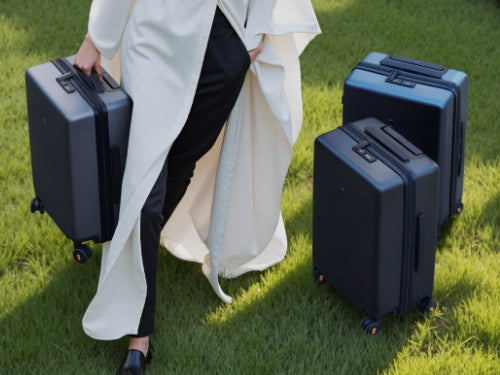
The most common option is a carry-on suitcase, usually a compact rolling case designed to meet airline cabin size limits. Some travelers also use duffel bags or large travel backpacks that fit carry-on size requirements and offer flexible packing space.
Where Carry-On Bags Are Stored on the Plane
Carry-on bags are typically placed in the overhead compartments above the passenger seats. These bins are shared by all passengers, which is why airlines enforce size limits to ensure bags fit properly.
Items travelers need during the flight are usually kept closer at hand, while the main carry-on remains in the overhead bin.
Carry-On Bag vs Checked Baggage
The main difference between carry-on and checked luggage is where the luggage is stored.
Checked baggage is handed over at the airport and placed in the aircraft’s cargo hold, while a carry-on bag stays with the passenger in the cabin. Travelers often choose carry-on luggage for short trips or to keep important items such as documents, electronics, or medications nearby.
Carry-On Bag vs Personal Item
Airlines distinguish between carry-on bags and personal items.
A carry-on bag is the larger piece of cabin luggage stored in the overhead bin, while a personal item must fit under the seat in front of the passenger. Personal items typically include backpacks, purses, laptop bags, or small tote bags.
Most airlines allow passengers to bring one carry-on bag and one personal item, as described in the baggage policies of major airlines such as United Airlines and Delta Air Lines.
Carry-On Bag Size and Weight Limits
Airlines set size and weight limits for carry-on bags to ensure cabin luggage can be safely stored on the aircraft. Because overhead compartments must accommodate bags from many passengers, carry-on luggage needs to fit within certain dimensions.
Although most airlines follow similar guidelines, the exact limits may vary depending on the airline, aircraft type, and ticket class. Checking the airline’s baggage policy before traveling is recommended.

Why Airlines Set Carry-On Size and Weight Limits
Airplane cabins have limited storage space, and overhead compartments must safely hold luggage during the flight. If carry-on bags are too large or heavy, they may not fit properly or could create safety risks.
Size limits also help airlines manage boarding more efficiently, allowing passengers to store bags quickly and avoid delays.
Standard Carry-On Size and Airline Differences
Many airlines follow a common carry-on size guideline of 22 × 14 × 9 inches (56 × 36 × 23 cm), including wheels and handles. Bags within this range are generally designed to fit standard overhead compartments.
However, exact limits may vary slightly depending on the airline. Some international or budget carriers have stricter requirements, while smaller aircraft may offer less overhead space.
For example, the Voyageur Carry-On 20'' measures 21.3 × 15.1 × 9.8 inches (including wheels and handles). With a height slightly below the common 22-inch carry-on limit used by many airlines, it is designed to fit most overhead compartments while maximizing packing space.
Do Carry-On Bags Have Weight Limits
Weight limits for carry-on bags depend largely on the airline. Many major U.S. airlines focus mainly on size restrictions and do not always enforce a strict carry-on weight limit.
However, some international airlines and low-cost carriers do apply weight restrictions, often limiting carry-on luggage to around 7–10 kg (15–22 lbs).
Even when weight limits are not strictly enforced, travelers should still keep carry-on bags reasonably light so they can safely lift the luggage into the overhead compartment during boarding.
What Can You Pack in a Carry-On Bag?
Carry-on bags usually hold items travelers want to keep accessible during the flight, although airport security rules restrict certain items such as liquids.
Understanding these guidelines helps travelers pack efficiently and avoid delays at airport security checkpoints.
Liquids and the TSA 3-1-1 Rule
In the United States, liquids in carry-on bags must follow the TSA liquid 3-1-1 rule:
- Each liquid container must be 3.4 oz (100 ml) or less
- All containers must fit in one quart-sized clear bag
- Each passenger may carry one liquids bag
This rule applies to liquids, gels, creams, and aerosols such as shampoo, toothpaste, lotion, and sunscreen. Larger containers should be packed in checked baggage.
Electronics and Valuable Items
Small electronics are generally allowed in carry-on bags and are often recommended to keep with you instead of placing them in checked luggage.
Common items travelers bring in carry-on luggage include:
- laptops and tablets
- smartphones and chargers
- cameras and headphones
- portable batteries or power banks
Keeping valuable electronics in carry-on luggage reduces the risk of loss or damage during travel.
Essential Travel Items to Keep in Your Carry-On
Many travelers use carry-on bags to store items they may need during the flight or immediately after arrival.
Common essentials include:
- travel documents and passports
- medications and personal health items
- a change of clothes
- snacks or refillable water bottles
- travel pillows or small comfort items
Packing these essentials in a carry-on bag helps travelers stay prepared even if checked luggage is delayed.
Benefits of Traveling with a Carry-On Bag
Traveling with only a carry-on bag is increasingly popular for short trips and business travel because it simplifies the airport experience and avoids many issues associated with checked baggage.

Avoid Checked Baggage Fees
Many airlines charge additional fees for checked baggage, particularly on domestic flights and budget airlines. Traveling with a carry-on bag allows passengers to avoid these extra costs while still bringing essential items for the trip.
For short trips or weekend travel, a well-packed carry-on often provides enough space without the need for checked luggage.
Faster Airport Experience
Travelers with only a carry-on bag can move through the airport more quickly without waiting at check-in counters or baggage claim. This can make the entire travel process more efficient, especially during busy travel seasons.
Lower Risk of Lost or Delayed Luggage
Checked baggage occasionally gets delayed or misplaced during airline transfers. When essential items are packed in a carry-on bag, travelers keep their belongings with them throughout the journey.
This reduces the risk of travel disruptions caused by missing luggage.
Easier Mobility During Travel
Carry-on luggage is usually smaller and easier to manage while navigating airports, public transportation, or crowded city streets.
A well-designed carry-on suitcase with smooth wheels and a sturdy handle can make moving through terminals significantly easier. For example, the Adventure Carry-On 20'' combines durable construction with smooth spinner wheels, making it a practical option for travelers who want a reliable carry-on bag for short trips and frequent flights.
How to Choose the Right Carry-On Luggage
A well-designed carry-on should meet airline size requirements while offering durability, smooth mobility, and practical organization for travel essentials.
Choose the Right Size for Airline Compatibility
Most airlines follow carry-on size limits close to 22 × 14 × 9 inches, including wheels and handles. Choosing luggage designed around these dimensions helps ensure the bag fits in overhead compartments across different airlines.
Look for Durable and Lightweight Materials
Carry-on luggage should be strong enough to withstand frequent travel while remaining easy to lift into overhead bins. Materials such as polycarbonate or aluminum frames are commonly used for durability and impact resistance.
Consider Wheels and Handle Design
Smooth spinner wheels and a sturdy telescopic handle make it easier to move through busy airports. A stable wheel system also improves maneuverability when navigating crowded terminals.
Check Interior Organization and Capacity
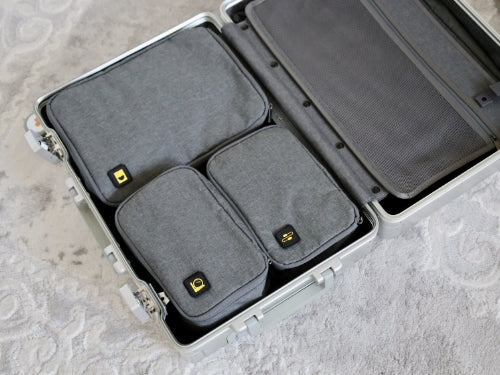
Well-designed carry-on luggage includes compartments that help keep clothing, electronics, and travel essentials organized. Compression systems and internal pockets can maximize packing space for short trips.
Conclusion
A carry-on bag is the piece of luggage passengers bring into the airplane cabin, typically stored in the overhead compartment. While the term is sometimes used broadly in everyday travel conversations, airlines define a carry-on bag more specifically as the larger cabin bag that goes in the overhead bin.
Under most airline baggage policies, passengers are usually allowed one carry-on bag and one personal item, with the personal item stored under the seat in front of them. Understanding these airline rules helps travelers pack correctly, choose the right luggage size, and avoid issues at the airport.
FAQ
What is the difference between a carry-on bag and a cabin bag?
There is usually no difference. Carry-on bag and cabin bag both refer to luggage that passengers bring into the airplane cabin instead of checking it into the cargo hold. The term “cabin bag” is more commonly used in Europe and by some international airlines.
Can a backpack count as a carry-on bag?
Yes, a backpack can count as a carry-on bag if it meets the airline’s carry-on size limits. Smaller backpacks are often considered personal items and must fit under the seat, while larger travel backpacks may be treated as carry-on luggage.
What happens if your carry-on bag is too big at the airport?
If a carry-on bag exceeds the airline’s size limit, airport staff may require it to be checked at the gate. In some cases, this may involve an additional baggage fee, especially on budget airlines.
Can you bring food in a carry-on bag?
Yes, most solid food items are allowed in carry-on bags. However, liquids or semi-liquid foods such as sauces, yogurt, or soups must follow airport liquid restrictions like the 3-1-1 rule in the United States.

Leave a comment