



Table of Content
Camping Packing List for a Safe and Organized Trip

A useful camping packing list starts with shelter, sleep gear, water, food storage, light, and basic safety supplies. For a first weekend at a drive-in campground, pack around the facilities, weather, and activities you have confirmed instead of preparing for every possible problem. Keep campsite equipment separate from clothing. Test critical items before leaving.
Camping Packing List for a Weekend Trip
A two-night campground stay usually needs fewer supplies than first-time campers expect. The simplest method is to cover each basic need before adding comfort items. Quantities can then be adjusted for the number of campers and the facilities available at the site.
Start With the Essential Camping Gear
This core list suits a two-night car camping trip at an established campground. Add quantities for each camper, then remove anything supplied by the site.
|
Packing area |
Essential items |
Add when needed |
|
Shelter |
Tent, rainfly, footprint, stakes, mallet |
Tarp or shade shelter |
|
Sleep |
Sleeping bag, insulated pad, pillow |
Extra blanket for a colder forecast |
|
Water |
Personal bottle, camp jug |
Filter or approved treatment for untreated water |
|
Camp kitchen |
Stove, allowed fuel, lighter, pot, eating set |
Cooler and food thermometer for perishables |
|
Clothing |
Base layers, warm layer, sleep clothes, spare socks |
Rain shell and waterproof footwear |
|
Light and power |
Headlamp for each camper, spare batteries |
Power bank for a phone |
|
Health |
Personal medicine, first aid kit, sunscreen, insect repellent |
Allergy plan and backup prescription |
|
Hygiene |
Toothbrush, soap, towel, toilet paper, hand sanitizer |
Waste bags where toilets are unavailable |
|
Tools |
Multi-tool, repair tape, cord, tent patch kit |
Small brush for a sandy site |
|
Site records |
Reservation, identification, map, emergency contact |
Printed copy where service is weak |
Separate Required Gear From Comfort Items
Mark each item as required or optional. The required group keeps you sheltered, hydrated, fed, visible after dark, and able to handle a minor injury. Chairs, games, and extra cookware can fill the remaining vehicle space. A camper who sleeps poorly may value a thicker pad more than an extra cooking tool.
Calculate Water From the Available Supply
Confirm whether the campground has potable water and whether it will be available during your dates. Some dry parks direct visitors to carry at least 1 gallon per person per day. Cooking and cleanup also draw from the jug. Carry extra capacity when no reliable refill point exists.
Keep Perishable Food at a Safe Temperature
Place a thermometer in the cooler and keep perishable food at 40°F or below. USDA guidance says food should not remain unrefrigerated for more than two hours. That limit falls to one hour when the air temperature exceeds 90°F.
Keep raw meat sealed below ready-to-eat food. A separate drink cooler reduces how often the food cooler is opened. Discard perishable food when you cannot confirm that it stayed at a safe temperature.
Check Stove, Fuel, and Firewood Rules
Verify campsite fire restrictions before planning meals. A stove may be permitted when open fires are restricted, though local orders control which appliances can be used. Carry the correct fuel and operate the stove outdoors on a stable surface.
TSA allows camp stoves in carry-on or checked baggage only when they are empty, cleaned, and free of fuel vapor or residue. Fuel canisters generally cannot travel with you, so buy compatible fuel after arrival when flying.
Do not transport firewood from home. The U.S. Forest Service advises campers to buy firewood near the place where it will be burned because moved wood can spread invasive insects and tree diseases. Follow the campground’s current firewood and collection rules.

How to Adjust a Camping Packing List for Your Trip
A general checklist still needs to match the actual destination. Access conditions, local regulations, and planned activities determine what stays on the list. Making these decisions before packing prevents unnecessary equipment from taking up space.
Check the Campsite Before Choosing Luggage
Confirm the parking distance, tent pad size, potable water, toilets, food lockers, and fire rules. A wheeled case works at a paved or firm drive-in site. A backpack or soft gear bag is more practical when the route includes stairs, mud, or a walk from a remote parking area.
Check the point forecast for the campground elevation. Pack clothing for the overnight low and include rain protection when rain is possible. Local alerts can also change fire, water, and wildlife requirements shortly before arrival.
Treat Backcountry Camping as a Different Packing Job
Backcountry gear must be carried, so each item needs a clear safety or daily use. Replace household cookware with compact equipment, reduce clothing changes, and carry a suitable water treatment method when the route relies on natural sources. Park-specific food rules may also require a locker or another approved storage method in bear country.
Plan Clothing by Conditions and Activities
Choose quick-drying clothes that can be layered. Pack a dry sleep set in a sealed pouch and reserve it for the tent. One outfit can often serve more than one day. Give priority to fresh socks and underwear, then remove backup clothing that does not match the forecast or itinerary. Add activity-specific footwear only when your planned route needs it.
Test Critical Gear Before Departure
Pitch the tent at home and account for every pole and stake. Inflate sleeping pads long enough to identify a slow leak. Test each headlamp and replace weak batteries before packing.
Light the stove outdoors if local rules allow testing. Confirm that its connections work and that the planned fuel is compatible. Finish with one person reading the checklist while another points to each packed container.
How to Organize Camping Luggage
Camping equipment is easier to handle when every container has a defined purpose. Personal belongings should stay protected from moisture and cooking supplies, while frequently needed items should remain accessible. The system should also be simple enough for every camper to understand.
Assign One Container to Each Job
Use a weather-resistant bin for shelter parts and another for cooking equipment. Keep personal clothing in clean luggage, away from fuel, food spills, damp tarps, and dirty footwear.
Label each container so another camper can find an item without opening every bag. Keep shared essentials in shared storage so they remain accessible to the whole group.
Keep Arrival Essentials in a Carry On Suitcase
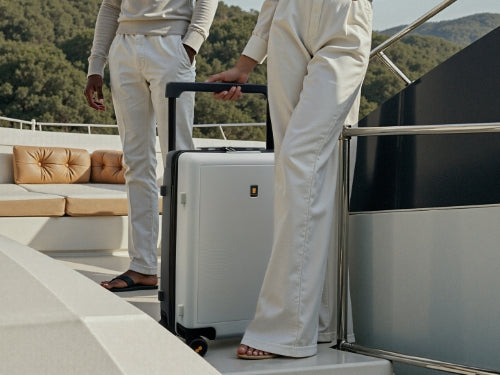
A compact carry on suitcase can hold the first items needed after arrival. Pack a dry layer, medication, headlamp, reservation details, and one change of clothes there. Keep it accessible rather than placing it below tents or coolers.
Use a Top Opening Case in a Tight Packing Area
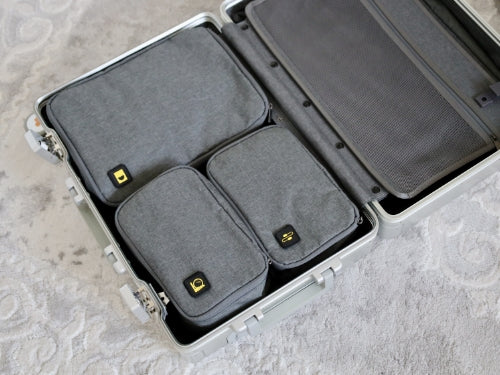
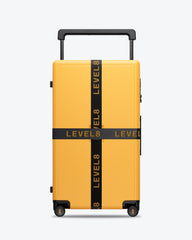
Traditional split cases need room on both sides when fully opened. The Adventure Carry-On 20 uses a top opening design that provides access through one main compartment. That layout is useful beside a tent platform or inside a crowded cabin. Its listed capacity is 45 liters and expands to 50 liters. The added space can hold clothing without mixing it with wet camp equipment.
Use Packing Cubes Without Hiding Essentials
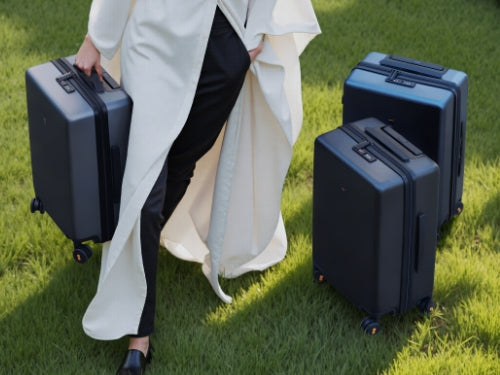
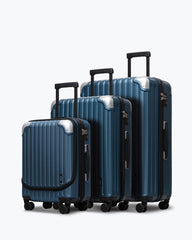
Group clothing by person or use, then leave the first night’s sleepwear near the top. Matched luggage sets can separate adult clothing from children’s items while keeping case sizes easy to recognize.
The same principle used to pack a suitcase efficiently applies at camp. Roll soft clothes and fold structured layers. Put wet or smoky clothing in a separate washable bag for the journey home.
FAQs
How Early Should You Pack for Camping
Start two days before departure. This leaves time to test the tent, charge batteries, freeze cooler packs, and replace missing supplies. Load food shortly before leaving.
What Should Stay Out of a Parked Car
Keep medication and heat-sensitive electronics with you. In wildlife areas, follow the site’s food storage rule because a vehicle may not qualify as approved storage everywhere.
How Do You Pack a Wet Tent for the Drive Home
Shake off water and place the tent in a separate waterproof bag. Unpack it promptly at home, then dry it fully before long-term storage to prevent mildew.
Should You Bring Cash to a Campground
Bring a small amount when local guidance recommends it. Some campgrounds use self-service payment stations, while nearby firewood sellers or showers may not accept cards.
Can You Wash Dishes at a Campground Water Spigot
Usually no. Wash in a basin away from the spigot and follow the site’s wastewater rules. Food scraps and soap can attract animals or contaminate the area.
What Should You Pack for a Camper With Allergies
Carry prescribed medication in an accessible bag. Add an emergency plan, allergy-safe food, and clear contact information. Tell another adult where the medication is stored.
Final Camping Packing List Check
A camping checklist becomes useful when it matches one real destination and a confirmed forecast. It should also remain simple enough to check during both departure and campsite cleanup.
Pack required systems first, keep clean clothing apart from outdoor gear, and test equipment before it enters the car. When leaving camp, account for stakes, remove all trash, separate wet items, and record anything you did not use.
Leave a comment